

A Saudi work visa is the permit that allows a foreign worker to enter Saudi Arabia for employment and then receive an iqama (residence permit). Saudi Arabia is one of the largest employers of Indian workers, with jobs in construction, healthcare, oil and gas, hospitality, retail, transport and domestic services. But the Saudi work visa process has changed a lot in recent years with new digital platforms, biometrics and a mandatory skill test for many trades. This guide explains every step in simple language so you know what to expect from interview to arrival.
Saudi work visa at a glance:
- The employer applies for the visa through Saudi government platforms such as Qiwa and the Ministry of Foreign Affairs systems.
- Many skilled and semi-skilled trades require the Saudi Skill Verification Program (SVP) test in India.
- Medical tests are done at approved centres booked through the Wafid platform.
- Biometrics are collected at authorised visa service centres in India before stamping.
- ECR passport holders need emigration clearance on India’s eMigrate portal.
- Visa fees are the employer’s responsibility under Saudi labour rules.
If you are an Indian job seeker, it is important to understand which steps you handle and which ones your employer handles. Knowing this protects you from agents who demand money for things the employer should pay.
Let us go through the Saudi work visa process step by step.
How the Saudi Work Visa Works
A Saudi work visa starts with your employer. Companies must have a visa quota approved by the Ministry of Human Resources and Social Development (MHRSD). The number of visas a company can get depends on its size and its Saudisation (Nitaqat) category. Companies in good standing can request visas for specific professions and nationalities.
Once the visa is issued, it is linked to your passport through an authorisation (often called a wakala) to a recruiting agency in India. The agency submits your documents for stamping at the Saudi Embassy in New Delhi or the Consulate in Mumbai through the official process.
Types of Saudi Work-Related Visas
| Visa type | Used for |
|---|---|
| Employment (work) visa | Long-term jobs with a Saudi employer |
| Domestic worker visa | House drivers, housemaids and similar roles through Musaned |
| Temporary work visa | Short-term or seasonal projects |
| Business visit visa | Meetings and business trips – not for employment |
| Premium Residency | Investors and talented individuals meeting special criteria |
This guide focuses on the standard Saudi work visa for private-sector employment.
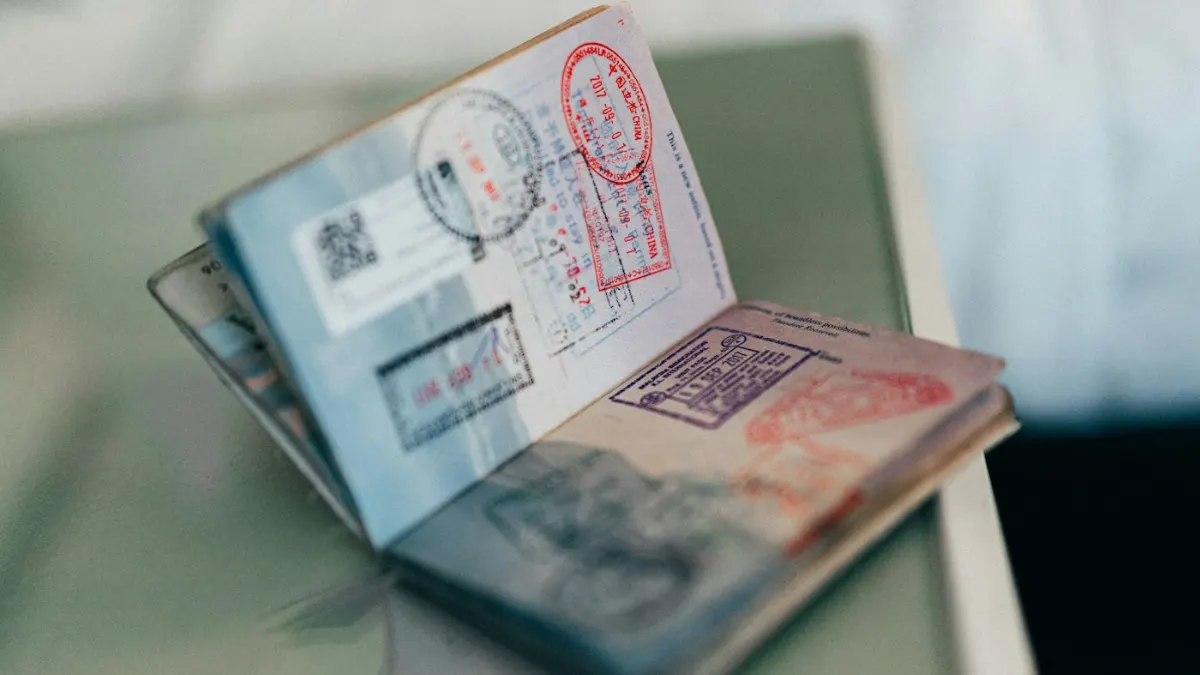
Saudi Work Visa for Indians: 10 Easy Steps
Step 1: Get a Genuine Job Offer
Apply through company career pages, trusted job portals, government agencies such as NORKA Roots and ODEPC, or licensed recruiting agents registered on eMigrate. Attend the interview and receive a written offer with salary, job title, accommodation, food and contract period.
Step 2: Employer Issues the Visa
The employer applies for the Saudi work visa against its quota through Qiwa and related government systems. The visa shows your profession, which must match your qualifications.
Step 3: Skill Verification Test (If Required)
For many technical trades such as electricians, plumbers, welders, HVAC technicians, automotive mechanics and similar roles, Indian workers must pass the Saudi Skill Verification Program before the visa can be stamped. The test usually has a theory part and a practical part at an approved test centre in India.
Step 4: Certificate Attestation
Educational certificates often need attestation, especially for professional jobs. This usually involves state-level attestation, the Ministry of External Affairs (MEA) and the Saudi mission or the accepted alternative process. Read our certificate attestation guide for details.
Step 5: Medical Test Through Wafid
Book your pre-departure medical through the Wafid platform at an approved medical centre. The test checks general health and infectious diseases. Keep your medical slip safe – it is required for stamping.
Step 6: Biometrics at the Visa Service Centre
Indian applicants usually provide fingerprints and a photo at an authorised visa service centre before the Saudi work visa is stamped. Your recruiting agency or employer will guide you on the appointment.
Step 7: Visa Stamping
Your agency submits the passport, visa authorisation, medical report, photos and other documents for stamping. Once approved, the visa is stamped or issued electronically, and your passport is returned.
Step 8: Emigration Clearance
If you hold an ECR (Emigration Check Required) passport, your agent or employer must obtain emigration clearance through the eMigrate portal. ECNR passport holders do not need it, but it is still wise to register. Our emigration clearance guide explains this.
Step 9: Pre-Departure Orientation and Travel
Attend any pre-departure orientation offered by the government or your agency. Collect your contract copy, ticket and employer contact numbers. Travel within the visa validity.
Step 10: Arrival, Medical and Iqama
After arrival, your employer arranges a local medical check and biometrics, then issues your iqama. Under Saudi rules, the iqama should be issued within a set period after arrival. Read our iqama renewal guide to understand renewals and fees.
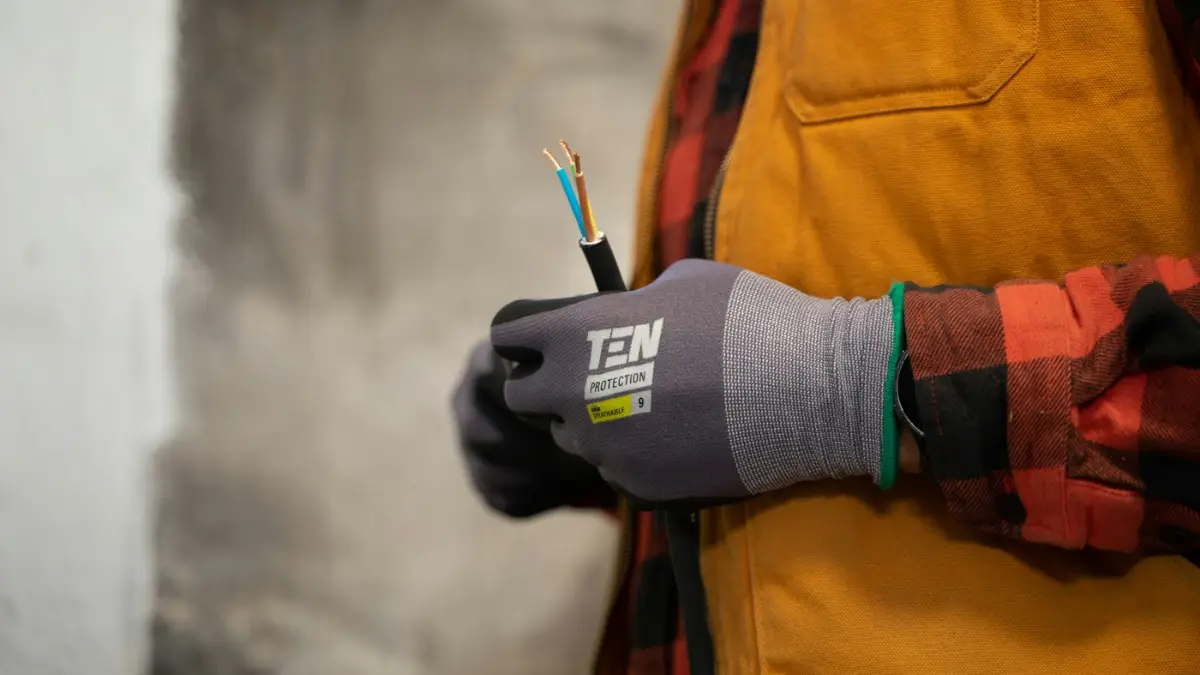
Saudi Work Visa Documents Checklist
Keep these documents ready before stamping:
- Passport with at least six months’ validity and two blank pages.
- Recent passport-size photos with a white background (as per specifications).
- Visa authorisation or visa number from the employer.
- Signed employment contract or offer letter.
- Wafid medical report.
- Attested educational certificates (for professional and skilled roles).
- Skill verification certificate (for listed trades).
- Experience certificates.
- Emigration clearance (for ECR passport holders).
- Police clearance certificate, if requested by the employer or mission.
Saudi Skill Verification Program Explained
The Saudi Skill Verification Program checks that workers in certain professions have the practical skills claimed in their visa. It was introduced in phases for several countries, including India.
| Feature | Details |
|---|---|
| Who needs it | Workers in listed technical trades and professions |
| Test format | Theory test and practical assessment |
| Where | Approved test centres in India |
| Result | Certificate linked to your passport |
| Why it matters | Visa stamping may not proceed without passing |
Ask your recruiting agency whether your trade is on the list. Prepare by revising basic theory, safety rules and tool use in your trade.
Important: Do not pay agents for a “guaranteed pass” in the skill test. Only official test centres can conduct the test and issue results.
Saudi Work Visa Fees: Who Pays What?
| Cost item | Who should pay |
|---|---|
| Visa issuance fee | Employer |
| Work permit (expat levy) and iqama | Employer |
| Recruitment costs in Saudi Arabia | Employer |
| Air ticket to Saudi Arabia | Usually employer (check contract) |
| Skill verification test fee | Often the candidate, sometimes the employer |
| Wafid medical test | Often the candidate (check offer) |
| Certificate attestation | Usually the candidate |
| Service fee of registered Indian agent | Capped by Indian law; must be receipted |
Never pay “visa money”. If an agent asks for lakhs of rupees for a Saudi work visa, report them. Our free recruitment guide explains your rights.
Saudi Work Visa Processing Time
The time from job offer to travel varies. Many workers report between one and three months, depending on the skill test, attestation and the employer’s speed.
| Stage | Typical time |
|---|---|
| Visa issuance by employer | 1 to 3 weeks |
| Skill verification test | 1 to 4 weeks (booking and results) |
| Attestation | 1 to 4 weeks |
| Medical test | A few days |
| Biometrics and stamping | 1 to 3 weeks |
| Emigration clearance | A few days |
Saudi Work Visa Rules You Should Know
- Profession must match: Your visa profession should match your qualifications and actual job. A mismatch can create problems with professional accreditation, licence and promotions.
- Contract terms: Saudi employment contracts are registered on Qiwa. Check that your salary and benefits match your offer.
- Probation: Probation periods are common; read the terms.
- Passport holding: Employers are not allowed to keep your passport without consent.
- Job change: Under labour reforms, many workers can transfer to another employer through Qiwa after meeting conditions.
Saudi Work Visa for Different Jobs
Engineers
Engineers need professional accreditation with the Saudi Council of Engineers after arrival. Some must also meet experience requirements. Read our Saudi Council of Engineers guide.
Nurses and Healthcare Workers
Healthcare professionals need classification and registration with the Saudi Commission for Health Specialties, including DataFlow verification and an exam for many roles. See our DataFlow verification guide.
Drivers
Drivers need a Saudi driving licence after arrival. Read our Saudi driving licence guide.
Construction Workers
Construction trades often require the skill verification test. Check our Saudi construction jobs guide.
Saudi Work Visa vs Visit Visa: Don’t Mix Them Up
Some agents send workers on visit visas and promise to “convert” them to work visas later. This is risky. Working on a visit visa is illegal, and conversions are generally not allowed for most categories. Always travel on a proper Saudi work visa for employment.
Pros and Cons of Working in Saudi Arabia
| Pros | Cons |
|---|---|
| Large number of jobs across sectors | Strict rules and paperwork |
| Tax-free salaries | Expat levy makes employers cautious |
| Labour reforms improving mobility | Hot climate in summer |
| Growing projects under Vision 2030 | Family costs (dependent fees) are high |
Real Example: Suresh, Electrician From Kerala
Suresh received an offer from a Riyadh maintenance company. His trade required the skill verification test. He booked the test through the official process, revised safety and wiring basics and passed. His agency, registered on eMigrate, charged only the legal service fee with a receipt. He completed the Wafid medical, gave biometrics and received his visa within six weeks. After arrival, his employer issued the iqama and enrolled him in medical insurance. Because Suresh checked each step, he avoided paying any illegal visa money.
Common Mistakes to Avoid
- Paying for the visa itself instead of only legal service fees.
- Travelling without reading the contract.
- Not checking whether the visa profession matches your job.
- Ignoring the skill test date and losing the visa slot.
- Using unregistered agents found on social media.
- Forgetting emigration clearance for ECR passports.
How to Find Genuine Saudi Jobs
- Apply directly on company career websites.
- Use LinkedIn, Bayt, Naukrigulf and Indeed.
- Register with NORKA Roots, ODEPC and other state agencies.
- Attend walk-in interviews only by verified agencies.
- Read our Saudi jobs guide for top sectors and salary expectations.
After You Arrive: Your First 30 Days
The first month in Saudi Arabia is busy. Use this plan to settle in smoothly:
- Days 1–3: Inform your family you have arrived, get a local SIM card registered to your passport or iqama when issued, and rest after the journey.
- Days 3–10: Attend the local medical test and biometrics arranged by your employer.
- Days 10–30: Receive your iqama, open a bank account for salary transfers and create an Absher account.
- Throughout: Keep copies of your contract, visa and passport, and save the numbers of your supervisor, HR and the Indian Embassy or Consulate.
If your iqama is delayed beyond the normal period, remind HR politely in writing. An iqama is needed for bank accounts, mobile contracts and most daily services.
Saudi Work Visa for Women
Saudi Arabia has opened many sectors to women in recent years. Indian women commonly work as nurses, doctors, teachers, beauticians, retail staff and office professionals. The Saudi work visa process is the same for women, although some employers provide female-only accommodation and transport. Ask about these details in your offer and check the employer’s reputation carefully.
Understanding Your Saudi Employment Contract
Before you travel, read every line of the contract linked to your Saudi work visa. Important clauses include:
| Clause | What to check |
|---|---|
| Basic salary | Fixed monthly amount; affects end-of-service benefits |
| Housing | Free accommodation or a housing allowance |
| Transport | Company transport or a transport allowance |
| Food | Provided, allowance or not included |
| Working hours | Normally 8 hours a day and 48 hours a week, with reduced hours in Ramadan |
| Overtime | Paid at the legal overtime rate |
| Annual leave | At least 21 days a year, rising to 30 days after five years of service |
| Air ticket | Return ticket frequency (yearly or every two years) |
| Contract period | Usually one or two years, renewable |
If anything differs from what you were promised during the interview, raise it before stamping. Once you arrive, it is much harder to change terms.
Saudi Work Visa Health Requirements
The Wafid medical test checks for conditions that may make a worker unfit under GCC health rules, such as certain infectious diseases. Some tips:
- Sleep well and avoid heavy food before the test.
- Carry your passport, photos and booking confirmation.
- Inform the doctor about past surgeries or chronic conditions honestly.
- If you are declared unfit, ask the centre about the appeal or re-test process rather than paying middlemen who promise to “change” results.
Medical fraud is a serious offence and can lead to permanent bans.
Saudi Work Visa for Freshers
Freshers can get a Saudi work visa in retail, hospitality, cleaning, security and helper roles, and in some technical trades after the skill test. Diploma and ITI holders with a few months of practical training have a better chance. Our Gulf jobs for 12th pass guide lists entry-level roles that do not need years of experience.
Saudi Work Visa Status Check
After the employer issues the visa, you can check the Saudi work visa status on the official Saudi visa enquiry service of the Ministry of Foreign Affairs by entering your passport number and visa number. If the status shows the visa as issued, your agency can proceed with stamping. If the status is not found, ask your employer for the correct visa number. Avoid sharing your passport number with unknown people who claim they can “check” or “speed up” your visa for a fee. Only your employer, your registered agency and official government portals should handle your Saudi work visa details, and every payment you make should come with an official receipt that shows the agency name and licence number.
Final Thoughts
The Saudi work visa process involves several steps, but most of the work is done by your employer and registered agency. Your job is to provide correct documents, pass the skill test if required, complete the Wafid medical and biometrics, and make sure you never pay illegal visa fees. Verify your agent on eMigrate, read your contract carefully and keep copies of everything. With the right preparation, you can start your Saudi career smoothly and safely.
For official information, visit India’s eMigrate portal and the Qiwa platform.
FAQs About the Saudi Work Visa
How long does a Saudi work visa take for Indians?
Most workers report one to three months from job offer to travel, depending on the skill test, attestation, medical and stamping timelines.
Is the skill test mandatory for a Saudi work visa?
It is mandatory for many listed technical trades. Ask your employer or registered agency whether your profession requires the Saudi Skill Verification Program.
Who pays the Saudi work visa fee?
The employer pays the visa, work permit and iqama fees. Candidates usually pay for attestation and sometimes the medical test or skill test, as agreed.
Do I need emigration clearance for a Saudi work visa?
Yes, if you hold an ECR passport. Your agent or employer applies through India’s eMigrate portal.
Can I change my job after arriving in Saudi Arabia?
Under the labour reforms, many expat workers can transfer to a new employer through the Qiwa platform after meeting certain conditions.