

If you hold an ECR passport and plan to work in the Gulf, emigration clearance is not optional – it is a legal requirement under India’s Emigration Act, 1983. Without it, immigration officers at Indian airports can stop you from boarding your flight, even if you have a valid work visa. Many first-time workers only learn this at the airport, losing tickets, time and sometimes their job offers. This guide explains who needs emigration clearance, the 18 ECR countries, the step-by-step process on the eMigrate portal, the documents you need and the insurance and fee rules – so your journey to a Gulf job is smooth and safe.
Quick answer:
- Emigration clearance is needed when an ECR passport holder goes for employment to any of the 18 ECR countries – which include all six GCC states.
- Clearance is processed online through the eMigrate portal by the Protector of Emigrants.
- ECNR passport holders generally do not need clearance, although special rules may apply to some categories such as nurses.
- Clearance is only for employment – tourists, pilgrims and students do not need it.
What Is Emigration Clearance?
Emigration clearance is permission granted by the Protector of Emigrants (POE), under the Ministry of External Affairs, allowing an Indian worker with an ECR passport to travel abroad for employment to specified countries. The system exists to protect vulnerable workers – especially those with lower formal education – from exploitation, illegal recruitment and unsafe working conditions. Before granting clearance, authorities verify the employer, the job, the contract terms and the recruiting agent.
Today the entire process is online through the eMigrate system, which connects employers, recruiting agents, insurance companies, Protectors of Emigrants and airport immigration. When you reach the airport, immigration officers can see your clearance status digitally.
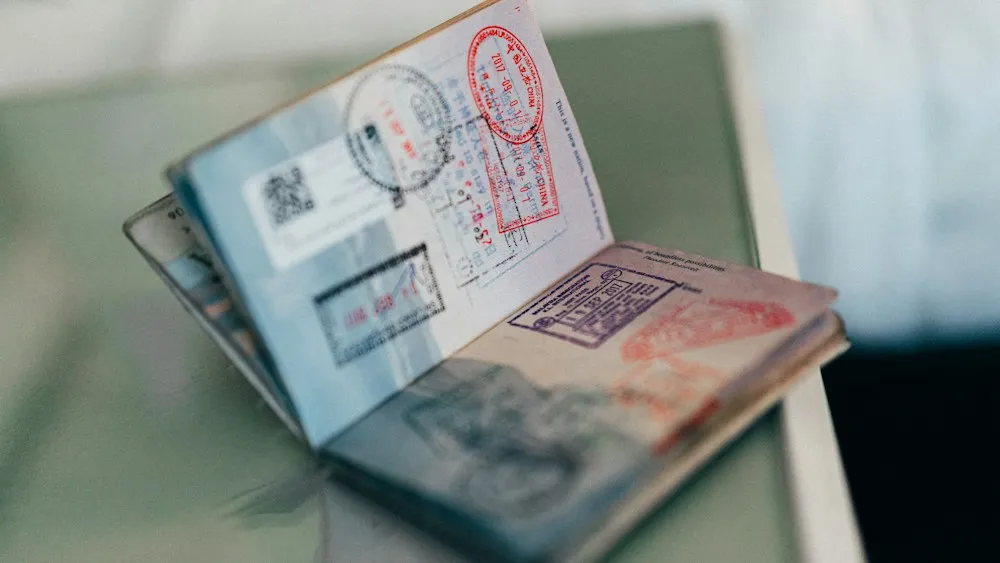
ECR vs ECNR Passports
| ECR (Emigration Check Required) | ECNR (Emigration Check Not Required) | |
|---|---|---|
| Who | Generally, people who have not passed Class 10 (matriculation) | Class 10 pass and above, and other specified categories |
| Passport marking | “Emigration Check Required” endorsement on the passport | No ECR endorsement |
| Employment in ECR countries | Emigration clearance required | Generally not required (special rules for some categories) |
If you have passed Class 10 but your passport still shows ECR, you can apply to remove the endorsement through the Passport Seva system by submitting proof of your qualification.
The 18 ECR Countries
Emigration clearance is required for ECR passport holders going for employment to these countries:
- Afghanistan
- Bahrain
- Indonesia
- Iraq
- Jordan
- Kuwait
- Lebanon
- Libya
- Malaysia
- Oman
- Qatar
- Saudi Arabia
- South Sudan
- Sudan
- Syria
- Thailand
- United Arab Emirates
- Yemen
Note that all six Gulf Cooperation Council countries – the UAE, Saudi Arabia, Qatar, Kuwait, Oman and Bahrain – are on this list.
Who Needs Emigration Clearance?
- ECR passport holders travelling for employment to any of the 18 ECR countries
- Certain categories of workers, such as nurses, who may need clearance for ECR countries regardless of passport category – check current rules on eMigrate
- Workers recruited by registered recruiting agents, directly by foreign employers or through state agencies
Who Does Not Need It?
- ECNR passport holders (in most cases)
- Anyone travelling for tourism, visiting family, pilgrimage, business meetings or study
- Workers going to countries that are not on the ECR list

Documents Needed for Emigration Clearance
- Original passport with ECR endorsement and sufficient validity
- Valid employment visa for the destination country
- Employment contract signed by you and the employer, uploaded on eMigrate
- Pravasi Bharatiya Bima Yojana (PBBY) insurance policy
- Medical fitness certificate, where required by the destination country
- Recruiting agent details or employer registration details
- Recent passport-size photographs
Your recruiting agent or employer usually handles the online submission, but you should keep copies of every document and check that the details – especially your name, passport number, job title and salary – are correct.
Role of Registered Recruiting Agents
Recruiting agents must hold a valid registration certificate from the Protector General of Emigrants to recruit workers for overseas jobs. Registered agents can apply for emigration clearance on your behalf through eMigrate. They may charge a service fee only within the limit fixed by the Government of India, and they must give you a receipt. You can verify an agent’s registration status and see lists of unregistered or blacklisted agents on the eMigrate portal. Never deal with sub-agents or middlemen who are not registered – they are the main source of fraud and illegal recruitment.
Direct Recruitment by Foreign Employers
Some foreign employers recruit directly without using an agent. In such cases, the employer must register on eMigrate and obtain the necessary permissions before applying for emigration clearance for workers. Many large Gulf companies, hospitals and government bodies use this route, often in partnership with state agencies such as NORKA Roots, ODEPC and OMCL. Direct recruitment can reduce costs for workers, but you should still verify the employer and contract details.
Pravasi Bharatiya Bima Yojana (PBBY)
PBBY is a mandatory insurance scheme for ECR workers going to ECR countries. For a small, one-time premium, it provides insurance cover for accidental death or permanent disability, along with benefits such as medical expenses for injuries, a one-way economy airfare if the worker is prematurely terminated or loses employment for certain reasons, and legal expenses in employment disputes. Policies are issued by authorised insurance companies and are linked to your eMigrate application. Keep a copy of the policy and share the details with your family so they know how to claim benefits if needed.
How Long Does Emigration Clearance Take?
When all documents are complete and the employer and agent are properly registered, emigration clearance is often granted within a few working days. Delays usually happen because of missing documents, contract details that do not meet minimum standards, unregistered employers or mismatched information. Do not book non-refundable tickets until your clearance is confirmed. If there is a delay, ask your agent or employer which document is pending and follow up regularly. You can also contact the eMigrate helpline or visit the nearest Protector of Emigrants office for guidance.
Step-by-Step Emigration Clearance Process
- Get a genuine job offer: Your employer must be registered on eMigrate, either directly or through a registered recruiting agent (RA).
- Employment contract: A contract with salary, job title, working hours and benefits is uploaded and must meet minimum standards.
- Work visa: Your employer obtains the work visa for the destination country.
- Insurance: You take the mandatory Pravasi Bharatiya Bima Yojana (PBBY) insurance policy.
- Application on eMigrate: The RA or employer submits the emigration clearance application with your passport, visa, contract and insurance details.
- POE review: The Protector of Emigrants reviews and approves the application online.
- Travel: At the airport, immigration verifies your clearance through the system.

Why Emigration Clearance Protects Workers
Some workers see emigration clearance as just another bureaucratic step, but it provides real protection. Before clearance is granted, the system checks that the foreign employer exists, that the recruiting agent is licensed, that the contract meets minimum wage and welfare standards, and that insurance is in place. If something goes wrong abroad – such as unpaid wages, contract violations or an accident – the records in eMigrate help Indian missions and authorities trace the employer and agent and support the worker. In this sense, emigration clearance is your safety net.
Legal Background: The Emigration Act, 1983
The Emigration Act, 1983 regulates the recruitment of Indian workers for overseas employment. It established the office of the Protector General of Emigrants and the network of Protector of Emigrants offices, introduced the registration system for recruiting agents and made illegal recruitment a punishable offence. Over the years, the government has strengthened these protections with online systems, minimum contract standards, mandatory insurance and closer cooperation with destination countries through labour agreements and memoranda of understanding. These measures aim to make overseas migration safer, more transparent and more accountable.
Understanding the eMigrate Portal
The eMigrate portal is the Ministry of External Affairs’ digital platform for overseas employment. It allows foreign employers and Indian recruiting agents to register, post demands and apply for clearances, while workers can register, check job opportunities and verify agents. The system is linked with passport databases, insurance companies and airport immigration, reducing paperwork and the risk of forged documents. Workers can also use the portal to learn about their rights, find helpline numbers and access advisories on safe migration. Taking ten minutes to explore the portal before you start your job search can save you from costly mistakes.
Costs Involved
For workers, the main costs related to the process are usually the PBBY insurance premium and, if you use a registered recruiting agent, the service charge allowed by the government. Employers generally bear the costs of the work visa, and many also pay for medical tests and air tickets. If anyone asks you for large payments described as “clearance fees” or “emigration charges”, treat it as a warning sign and verify with the eMigrate helpline or your nearest Protector of Emigrants office before paying. Always insist on official receipts for every payment you make.
Emigration Clearance Checklist
- My passport category (ECR or ECNR) is confirmed.
- My destination country is on the ECR list.
- My employer and/or recruiting agent are registered on eMigrate.
- I have a written employment contract with salary, hours and benefits.
- My work visa is valid and matches my passport details.
- My PBBY insurance policy has been issued.
- My clearance has been approved before I book my flight.
Ticking every box on this list means you are ready for a safe, legal departure. If any item is missing, pause and resolve it before travelling – fixing problems in India is always easier than fixing them abroad.
Tips for Families of Emigrant Workers
Families play an important role in safe migration. Keep copies of the worker’s passport, visa, contract, insurance policy and the agent’s details at home. Save the contact numbers of the Indian Embassy or Consulate in the destination country and the emigrant helpline. Stay in regular contact, and if the worker reports serious problems such as non-payment of wages or confiscation of the passport, contact the authorities promptly. Encourage the worker to use only legal channels and never to change jobs or visas through unofficial middlemen.
Emigration Clearance and Your Gulf Job Search
Understanding emigration clearance early helps you plan your job search better. When you speak with recruiters, ask whether they are registered on eMigrate and whether they will handle clearance for you. When comparing offers, consider how long clearance may take and avoid resigning from your current job until everything is approved. If you are searching for opportunities, our guides to UAE jobs for Indians, Saudi jobs and free recruitment for Gulf jobs explain safe ways to apply.
Special Rules for Certain Categories
Nurses
Nurses travelling for employment to ECR countries have traditionally needed emigration clearance regardless of passport category, and recruitment has often been routed through approved agencies. Rules can change, so check the latest guidance on eMigrate and with your recruiter. Our nurse jobs guide explains the full licensing and recruitment process.
Women Domestic Workers
To protect vulnerable workers, the Government of India has set additional conditions for women emigrating as domestic workers to ECR countries, including a minimum age requirement and stricter verification of employers. Recruitment must follow the official process, and workers should carry the contact details of the Indian Embassy in the destination country.
What Happens If You Travel Without Clearance?
If you hold an ECR passport and try to travel for employment to an ECR country without emigration clearance, immigration officers can stop you from leaving India. Some people try to travel on visit visas to avoid the process – this is risky and can leave you without the protections that clearance provides, including verified contracts and insurance. Workers who later face problems such as unpaid wages or abuse may find it harder to get help. Always follow the legal route.
Common Problems and How to Avoid Them
- Mismatched names: Make sure your name is spelled exactly as in your passport on the visa and contract.
- Unregistered agent: Verify the agent on eMigrate before giving documents or money.
- Low salary in contract: Contracts must meet minimum standards; clearance may be refused if they do not.
- Expired passport or visa: Check validity dates before applying.
- Booking flights too early: Wait until clearance is confirmed.
How to Remove the ECR Endorsement
If you have passed Class 10 or higher, or fall into another ECNR category, you can apply for a passport re-issue without the ECR endorsement through Passport Seva. Submit your educational certificates or other proof of eligibility. Once your passport is ECNR, you generally no longer need emigration clearance for most job categories – though special rules for certain professions may still apply.
Where to Get Help
- eMigrate portal and helpline: For information on registration, clearance and agents.
- Protector of Emigrants offices: Located in major cities across India, including Delhi, Mumbai, Chennai, Kochi, Thiruvananthapuram, Hyderabad, Kolkata and others.
- Pravasi Bharatiya Sahayata Kendra: A support centre with a toll-free helpline for emigrants and their families.
- MADAD portal: For consular grievances when you are abroad.
- Indian Embassies and Consulates: In every GCC country, offering assistance to workers in distress.
If you suspect fraud or illegal recruitment, report it immediately. Read our guide to job scams in the Gulf for warning signs and reporting channels.
Final Thoughts on Emigration Clearance
Emigration clearance protects you. Make sure your employer and agent complete the process on eMigrate before you book travel. Explore more in our visa and immigration section.
Safe migration starts at home. Before you hand over your passport or sign any document, confirm your passport category, verify your employer and recruiter, read your contract carefully and make sure your insurance is in place. Share copies of your documents with your family and save emergency contact numbers on your phone. These small steps take very little time but protect you throughout your stay abroad. When everything is handled through the official eMigrate system, you can travel with confidence, knowing that your rights are documented and that help is available if you ever need it. A legal, well-prepared departure is the best foundation for a successful Gulf career.
FAQs About Emigration Clearance
Who needs emigration clearance in India?
ECR passport holders travelling for employment to any of the 18 ECR countries, including all GCC states, need emigration clearance. Some categories such as nurses may have special requirements, so check the eMigrate portal.
How do I know if my passport is ECR or ECNR?
ECR passports carry an “Emigration Check Required” endorsement. If there is no such endorsement, your passport is generally ECNR.
Is emigration clearance needed for a visit visa?
No. Emigration clearance is only for employment. Tourists, family visitors, pilgrims and students do not need it.
What is PBBY insurance?
Pravasi Bharatiya Bima Yojana is a mandatory insurance scheme for ECR workers going to ECR countries. It provides cover for accidental death or permanent disability and some other benefits for a small premium.
Can I change my passport from ECR to ECNR?
Yes. If you have passed Class 10 or fall under another ECNR category, you can apply through Passport Seva to remove the ECR endorsement by submitting supporting documents.