
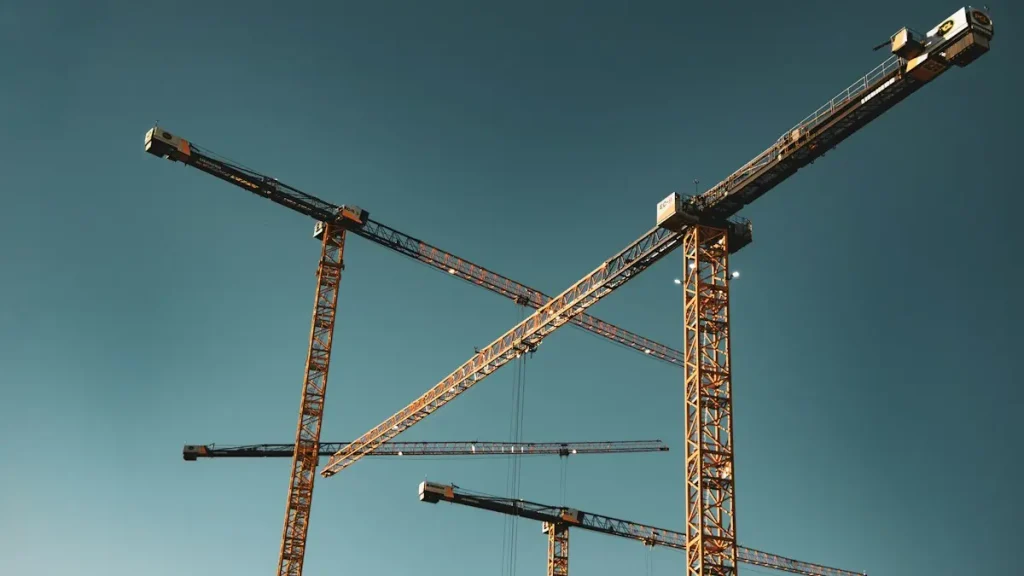
Construction jobs in Saudi Arabia are at the centre of one of the biggest building programmes in modern history. Under Vision 2030, the Kingdom is developing giga-projects such as NEOM, the Red Sea destinations, Qiddiya, ROSHN communities, Diriyah and King Salman Park, alongside new airports, metro lines, stadiums for the 2034 FIFA World Cup and venues for Expo 2030 in Riyadh. These projects need engineers, supervisors, skilled tradespeople, equipment operators and safety professionals in huge numbers. This guide explains eight major project opportunities, the roles in demand, salaries, certifications and how to apply safely for construction jobs in Saudi Arabia in 2026.
What you need to know:
- Giga-projects and national infrastructure are creating sustained demand for construction workers and professionals.
- Many skilled trades from India must pass the Skill Verification Program before visas are issued.
- Engineers need accreditation from the Saudi Council of Engineers.
- Remote project sites often offer camp accommodation, food and higher allowances.
Why Construction Jobs in Saudi Arabia Are Booming
Saudi Arabia is investing heavily to diversify its economy and transform its cities. Housing programmes aim to increase home ownership, tourism projects are building resorts and attractions from scratch, and transport projects are adding railways, metro lines and airports. Industrial cities and logistics zones are also expanding. All of this translates into thousands of construction jobs every year for both skilled and semi-skilled workers.
For Indian workers, Saudi Arabia has long been a major destination for construction employment. Large contractors from Saudi Arabia, India, China, South Korea, Europe and the United States all work on Saudi projects, and many recruit directly from India through registered agencies and interview drives.

8 Major Project Opportunities
1. NEOM
Located in the northwest Tabuk region, NEOM includes several large developments in a vast area along the Red Sea. Its scale creates long-term demand for civil works, tunnelling, utilities, marine works and camp operations. Work is mostly in remote locations with rotational schedules.
2. Red Sea Destinations
Luxury resorts, airports, marinas and infrastructure along the Red Sea coast require builders, finishing specialists, MEP technicians and landscaping crews.
3. Qiddiya
Near Riyadh, Qiddiya is an entertainment, sports and culture destination with theme parks, stadiums and residential areas.
4. ROSHN Communities
ROSHN is building large residential communities in several cities, creating demand for housing construction, finishing and infrastructure teams.
5. Diriyah
The historic Diriyah area near Riyadh is being developed into a cultural and lifestyle destination with hotels, museums, retail and residences.
6. King Salman Park and Riyadh Projects
Riyadh’s urban projects, including a massive city park, new districts and infrastructure, support thousands of construction jobs.
7. Transport Infrastructure
New airports, the expansion of existing airports, rail networks and highways need civil, systems and electrical teams.
8. World Cup 2034 and Expo 2030 Venues
Stadiums, fan zones, hotels and supporting infrastructure for these global events will drive construction activity over the coming years.
Top Cities and Regions for Construction Jobs
- Riyadh: The capital hosts many of the largest urban projects, including new districts, metro and transport links, entertainment destinations and event venues.
- Jeddah and Makkah region: Waterfront developments, housing, hospitality projects and infrastructure around the holy cities.
- Tabuk region (NEOM): Remote mega-sites with camp-based living and long-term demand.
- Red Sea coast: Resort, airport and marine projects along the western coastline.
- Eastern Province: Industrial, oil and gas, petrochemical and port construction around Dammam, Al Khobar and Jubail.
Each region has a different lifestyle. City projects offer easier access to shops, community groups and transport, while remote sites offer higher allowances and greater savings. Choose the location that best fits your personal and financial goals when applying for construction jobs.
Construction Roles in Demand
| Category | Roles |
|---|---|
| Engineering & Management | Project managers, civil/structural engineers, MEP engineers, planning engineers, quantity surveyors, QA/QC engineers |
| Supervision | Site supervisors, foremen, chargehands |
| Skilled Trades | Masons, carpenters, steel fixers, scaffolders, welders, electricians, plumbers, painters, tile setters |
| Equipment | Crane operators, excavator and loader operators, heavy drivers, riggers |
| Safety | HSE officers, safety managers, fire watch, first aiders |
| Support | Storekeepers, document controllers, camp boss, admin staff |
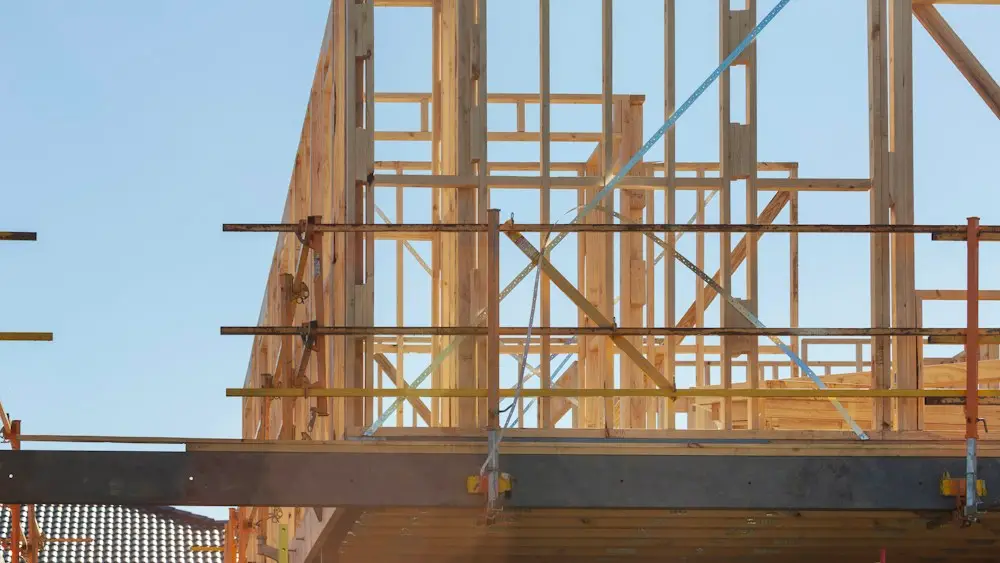
Requirements for Construction Jobs in Saudi Arabia
Skill Verification Program (SVP)
Saudi Arabia’s Professional Accreditation Program includes a Skill Verification Program for workers in many technical and skilled occupations from countries including India. Electricians, plumbers, welders, HVAC technicians, auto mechanics and several other trades may need to pass a theory and practical assessment at an approved test centre before the visa is issued. Your recruiter or employer should tell you whether your trade is covered and help you book the test. Passing SVP not only enables your visa but also proves your skill level to employers offering construction jobs.
Saudi Council of Engineers Accreditation
Engineers must be accredited by the Saudi Council of Engineers (SCE). The process typically involves submitting your degree, experience and identity documents, verification of qualifications, and in some cases a professional exam. Starting early prevents delays in your work visa.
Safety Certifications
Safety is a top priority on Saudi projects, especially giga-projects with international standards. Certifications such as NEBOSH, IOSH, OSHA 30-hour, first aid, working at height, confined space and rigging/signalman cards make your profile stronger. HSE professionals with recognised qualifications are in particularly high demand.
Documents
- Passport with sufficient validity
- Trade certificates (ITI, diploma) or attested degree
- Experience certificates with project details
- SVP result or SCE accreditation (where required)
- Medical fitness report from an approved GCC medical centre
- Passport photographs
Step-by-Step: How to Get Construction Jobs in Saudi Arabia
- Identify your trade or discipline: Focus on roles where you have proven experience.
- Prepare a project-focused CV: List project types, sizes, equipment and responsibilities. Our CV format guide shows how.
- Complete certifications: SVP, SCE or safety certifications as required.
- Apply through trusted channels: Contractor career pages, LinkedIn, Gulf job portals, registered recruiting agents on the eMigrate portal and state agencies.
- Attend trade tests and interviews: Many contractors conduct drives in Mumbai, Delhi, Chennai, Kochi, Hyderabad and Lucknow.
- Review your offer: Check salary, allowances, accommodation, food, working hours, rotation and visa profession.
- Complete medical, visa and emigration: ECR passport holders need emigration clearance – see our emigration clearance guide.
- Travel and get your Iqama: After arrival, your employer completes your residence permit.
Life on Saudi Construction Sites
Construction jobs on giga-projects often involve living in large worker camps or staff villages near the site. Modern camps provide shared rooms, dining halls, laundry, recreation areas, prayer rooms, clinics and Wi-Fi. Engineers and managers may receive single rooms or private accommodation. Work schedules are usually six days a week, and remote projects may operate on rotations, for example several weeks on-site followed by leave. Summer midday work bans protect workers from extreme heat during the hottest hours.
Life can be demanding, but many workers appreciate the opportunity to save a high proportion of their income because accommodation, food and transport are provided. Staying in touch with family through video calls, joining camp sports and community activities, and maintaining healthy sleep and eating habits all help you stay motivated during long rotations far from home.
Salary Guide for Construction Jobs in Saudi Arabia
| Role | Indicative Monthly Salary (SAR) |
|---|---|
| Helper / general labourer | 1,000 – 1,800 + accommodation & food |
| Skilled tradesman | 1,800 – 4,000 |
| Equipment operator | 2,500 – 5,000 |
| Foreman / supervisor | 4,000 – 8,000 |
| HSE officer | 4,000 – 9,000 |
| Site / MEP engineer | 7,000 – 16,000 |
| Project manager | 20,000 – 45,000 |
Remote giga-project roles frequently include free camp accommodation, meals, transport and higher site allowances. For more on life and work in the Kingdom, read our Saudi jobs guide.

Worker Rights on Construction Jobs
Saudi labour law and recent reforms give construction workers important protections. Employers must pay wages on time through the wage protection system, provide medical insurance and safe accommodation, and must not confiscate passports. Working hours are generally limited to eight hours a day and 48 hours a week, with paid overtime. Annual leave is at least 21 days per year, rising to 30 days after five years with the same employer. At the end of the contract, workers are entitled to an end-of-service award. Labour reforms also allow eligible workers to change employers and use exit and re-entry services under specific conditions. More information is available from the Ministry of Human Resources and Social Development.
Health and Safety on Saudi Construction Sites
Large projects follow strict safety standards. Workers must wear personal protective equipment, attend safety inductions and toolbox talks, and follow permit-to-work systems for high-risk activities such as working at height, hot work, lifting operations and confined spaces. Heat stress is a serious risk in summer, so stay hydrated, take scheduled breaks and report symptoms such as dizziness or headaches immediately. Good safety habits protect your life and also make you more valuable to employers offering construction jobs, as clean safety records are often checked during recruitment.
Construction Jobs for Engineers vs Tradespeople
Engineers typically join through direct applications, LinkedIn and specialist recruiters, and their packages often include housing allowances, transport and annual tickets. Tradespeople are usually recruited in groups through registered agencies and interview drives, with accommodation, food and transport provided. Both groups benefit from experience on large projects. Engineers should highlight project values, scope and software skills, while tradespeople should highlight trade certificates, equipment handled and years of hands-on work. Read our guide to engineering jobs in UAE for more ideas on presenting engineering experience.
Trade Test and Interview Tips
Contractors hiring for construction jobs usually test practical skills before making offers. To perform well:
- Practise your core tasks: Masons should practise blockwork and plastering, electricians wiring and testing, welders different joint types and positions, and steel fixers reading bar bending schedules.
- Bring your tools knowledge: Be ready to name tools, materials and measurements used in your trade.
- Explain safety steps: Interviewers often ask how you would work safely at height, use scaffolding or handle electrical isolation.
- Show your experience: Photos or videos of your past work on your phone can impress recruiters.
- Ask the right questions: Confirm salary, overtime, food, accommodation, rotation and the visa profession.
Career Growth in Saudi Construction
Construction jobs in Saudi Arabia offer clear progression. A helper can become a skilled tradesman after training and experience, then a chargehand, foreman and site supervisor. Engineers move from site engineer to senior engineer, project engineer, construction manager and project director.
Safety officers can grow into HSE managers. Workers who learn new skills – such as reading drawings, using total stations, operating specialised equipment or supervising teams – often secure better offers when contracts end. Keep certificates and experience letters from every project, as they are your proof of progress. Ask supervisors for written references before you leave a site, and record the names, values and durations of the projects you worked on so you can present them clearly in future interviews.
Saudi Construction Jobs vs UAE and Qatar
The UAE has a mature construction market with steady demand and a wide variety of projects, while Qatar’s market peaked before the 2022 World Cup and now focuses on energy and selected infrastructure. Saudi Arabia currently offers the largest volume of new construction jobs in the Gulf thanks to its giga-projects and event preparations. Packages for remote Saudi sites can be very competitive when allowances are included. However, rotational schedules and remote locations require adaptability. Compare opportunities in our Dubai jobs and Qatar jobs guides before you decide.
Saving and Sending Money Home
Because many construction jobs include accommodation, food and transport, workers can save a large share of their salary. Open a bank account once your Iqama is issued, compare exchange rates between banks and licensed remittance companies, and avoid informal channels. Setting a fixed monthly transfer and keeping a small emergency fund in Saudi Arabia helps you stay financially secure throughout your contract.
Common Mistakes to Avoid
- Accepting a different visa profession: If your visa says “labourer” but you work as an electrician, you may face salary and transfer problems later.
- Skipping SVP preparation: Failing the test delays your visa. Practise thoroughly.
- Paying for “free visas”: Buying visas from middlemen is illegal and leaves you unprotected.
- Not checking rotation and leave terms: Remote sites may have long rotations – understand them before signing.
- Ignoring Iqama renewals: Keep track of your residence permit expiry to avoid fines.
Avoiding Fake Construction Jobs
Because demand is high, fraudsters advertise fake construction jobs using the names of giga-projects and famous contractors. Warning signs include requests for visa fees, offers without trade tests or interviews, communication only through WhatsApp and promises of unusually high salaries for helpers. Genuine contractors recruit through official channels and registered agencies. Read our guide to job scams in the Gulf before sharing documents or paying any fees.
Best Time to Apply
Construction hiring in Saudi Arabia continues year-round, but recruitment often increases when new project phases are awarded and before the cooler months, when outdoor work becomes more productive. Watch contractor announcements, project award news and agency notifications. Keeping your documents, certifications and CV ready means you can respond quickly when large recruitment drives for construction jobs are announced.
Final Thoughts on Construction Jobs in Saudi Arabia
Construction jobs in Saudi Arabia offer long-term opportunities on world-famous projects. Build your skills, complete the required certifications, use registered recruiters and understand your contract before you travel. Explore more in our construction jobs section.
Saudi Arabia’s transformation will continue for many years, and skilled, safety-conscious workers will remain in demand throughout this period. Whether you are an engineer aiming to lead complex projects or a tradesperson looking for steady work and good savings, the Kingdom offers a real chance to build your future. Prepare your trade certificates, pass your Skill Verification Program or SCE accreditation, keep your CV updated with every project and stay connected with registered recruiters.
Above all, protect yourself: never pay for visas, always verify offers and read every contract carefully. With preparation and patience, construction jobs in Saudi Arabia can become the foundation of a long and rewarding Gulf career – and a source of pride as you help build some of the most ambitious projects the world has ever seen.
FAQs About Construction Jobs in Saudi Arabia
What is the Skill Verification Program for Saudi Arabia?
It is part of Saudi Arabia’s professional accreditation system that requires workers in certain skilled occupations from countries such as India to pass a practical and theory assessment at an approved centre before a work visa is issued.
Do engineers need SCE accreditation in Saudi Arabia?
Yes. Engineers generally need to be accredited by the Saudi Council of Engineers to work in engineering professions in the Kingdom.
What is the salary for construction workers in Saudi Arabia?
Helpers often earn around SAR 1,000 to 1,800 with accommodation and food, skilled tradespeople around SAR 1,800 to 4,000, and engineers significantly more depending on experience.
Are NEOM jobs available for Indians?
Yes. Contractors working on NEOM and other giga-projects recruit internationally, including from India, mainly through registered agencies and official company channels.
How can I avoid fake Saudi construction job offers?
Never pay for a visa, verify the contractor and project, check that the Indian agent is registered on eMigrate and confirm that your visa profession matches your actual job.