
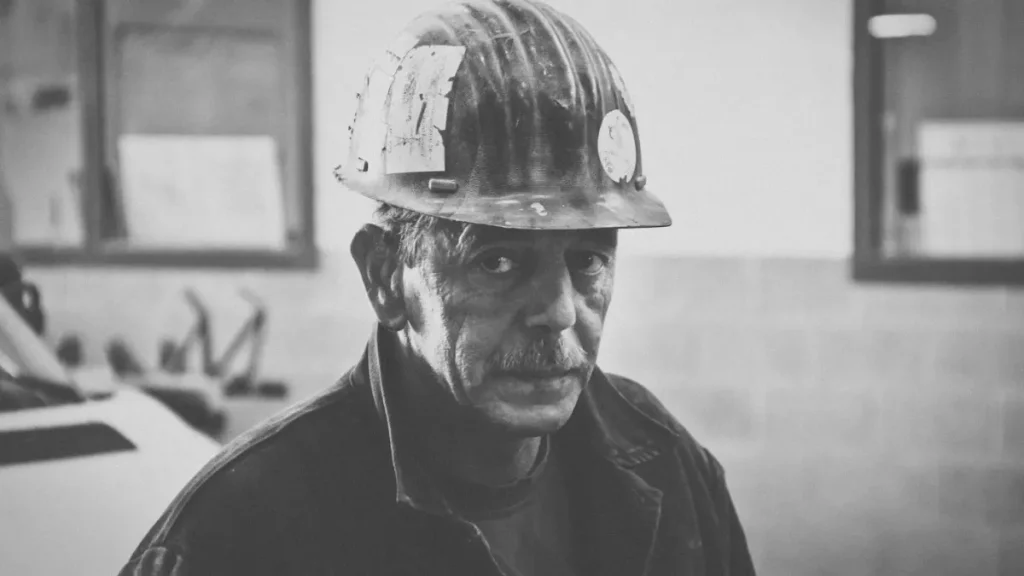
Safety officer jobs are among the most reliable career options for Indians in the Gulf. Every construction site, oil and gas facility, factory, warehouse and large project in the UAE, Saudi Arabia, Qatar, Kuwait, Oman and Bahrain needs trained health, safety and environment (HSE) professionals. Gulf governments enforce strict safety laws, and clients demand qualified safety staff on every project. If you have the right certifications and practical experience, safety officer jobs can offer good salaries, steady demand and a clear path to HSE management. This guide explains the qualifications you need, salaries by country, top sectors, how to apply and how to avoid fake certificate scams.
Key facts about safety officer jobs in the Gulf:
- Common qualifications include NEBOSH International General Certificate (IGC), IOSH Managing Safely, OSHA courses and diplomas in industrial or fire safety.
- Most employers prefer two or more years of site experience.
- Typical salaries range widely, from entry-level roles to well-paid HSE managers.
- Some emirates and authorities require safety professionals to be registered or approved.
- Fake safety certificates are a serious problem – always study with accredited providers.
Safety is not just paperwork. Safety officers walk sites, train workers, inspect equipment, investigate incidents and stop unsafe work. Employers look for people who combine knowledge with confidence and good communication.
Let us look at how to build a successful career in safety officer jobs across the Gulf.
Why Safety Officer Jobs Are in Demand
Gulf countries are building mega projects, industrial plants, transport networks and tourism destinations. These projects involve heights, heavy machinery, electrical systems, confined spaces and extreme heat. Laws require employers to protect workers, and clients often specify a minimum ratio of safety staff to workers on site. That is why safety officer jobs remain in demand even when other jobs slow down.
Common HSE Job Titles
| Job title | Typical responsibilities |
|---|---|
| Safety officer | Site inspections, toolbox talks, permit checks |
| HSE supervisor | Supervising safety staff, audits, reports |
| HSE engineer | Risk assessments, safety plans, systems |
| Fire safety officer | Fire prevention, drills, equipment checks |
| Environmental officer | Waste, emissions and environmental compliance |
| HSE manager | Leading safety programmes and teams |
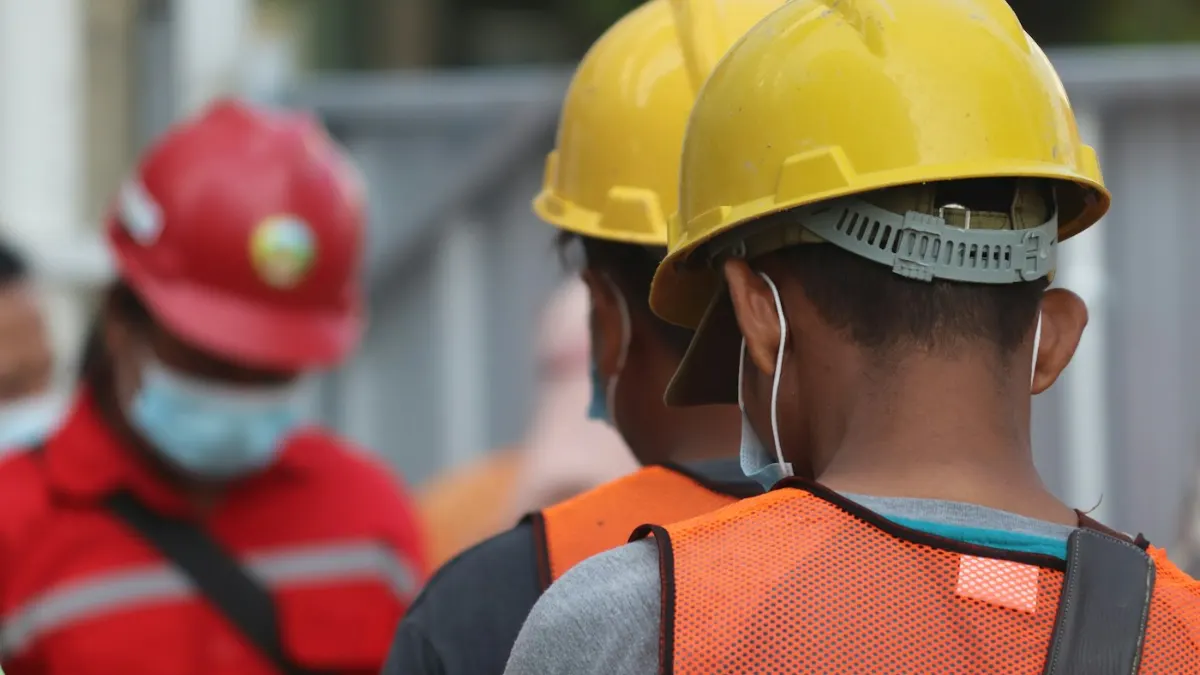
Qualifications Needed for Safety Officer Jobs
Core Certifications
- NEBOSH IGC: The most widely recognised safety qualification in the Gulf for safety officers.
- IOSH Managing Safely: Useful for supervisors and entry-level roles.
- OSHA 30-hour: Recognised by some employers, especially on international projects.
- Diploma in industrial or fire safety: Valuable when combined with NEBOSH or IOSH.
Advanced Qualifications
- NEBOSH International Diploma: For senior HSE engineers and managers.
- Lead auditor courses (ISO 45001, ISO 14001): For HSE systems and audits.
- Degree in engineering or occupational safety: Helps for HSE engineer roles.
Practical Experience
Employers usually prefer at least two years of site experience in construction, oil and gas, manufacturing or similar industries. Experience on large projects with international contractors is highly valued.
Safety Officer Salary in the Gulf (Indicative, 2026)
| Country | Typical monthly salary range |
|---|---|
| UAE | AED 4,000 – 9,000 (safety officer); higher for HSE engineers |
| Saudi Arabia | SAR 5,000 – 10,000 (safety officer); higher for HSE engineers |
| Qatar | QAR 5,000 – 10,000 (safety officer); higher for HSE engineers |
| Kuwait | KWD 350 – 700 |
| Oman | OMR 350 – 800 |
| Bahrain | BHD 350 – 700 |
Packages may include accommodation, transport, overtime and annual tickets. Oil and gas projects usually pay more than building construction. Compare packages using our Saudi salary guide, Qatar salary guide and Dubai salary guide.
Top Sectors Hiring for Safety Officer Jobs
- Construction: Buildings, roads, bridges, metro and infrastructure projects.
- Oil and gas: Refineries, gas plants, pipelines and offshore platforms.
- Power and utilities: Power plants, substations and water facilities.
- Manufacturing: Factories, steel plants and aluminium smelters.
- Logistics and warehousing: Forklift safety, storage and transport.
- Facility management: Malls, hospitals, airports and large buildings.
Read our Saudi construction jobs guide and Qatar construction jobs guide for project-based opportunities.

How to Get Safety Officer Jobs: 8 Easy Steps
Step 1: Get an Accredited Certification
Enrol in NEBOSH, IOSH or similar courses through accredited learning partners. Verify the provider on the awarding body’s website.
Step 2: Gain Site Experience
Work as a safety steward, safety assistant or supervisor in India to gain practical experience.
Step 3: Build a Strong HSE CV
Include certifications with certificate numbers, project names, workforce size, activities supervised, incident-free hours and audits. See our Gulf CV format guide.
Step 4: Optimise LinkedIn
Use a headline like “Safety Officer | NEBOSH IGC | 4 Years Construction Experience”. Read our LinkedIn profile guide.
Step 5: Apply to Contractors and Portals
Apply on contractor websites, LinkedIn, Bayt, Naukrigulf and GulfTalent. Use licensed agencies and government agencies such as NORKA Roots and ODEPC.
Step 6: Prepare for Technical Interviews
Expect questions on hazard identification, risk assessment, permit-to-work, working at height, confined spaces, excavation, lifting operations, fire safety and incident investigation.
Step 7: Verify the Offer
Check the employer, job title and visa profession. In the UAE, verify your MOHRE job offer. Read our MOHRE job offer guide.
Step 8: Complete Local Approvals
Some authorities require safety professionals to register or get approval before working on certain projects. Ask your employer about local requirements after you arrive.
Important: Never buy fake NEBOSH or other safety certificates. Employers verify certificates online, and fake documents can lead to termination, deportation and legal action.
Common Interview Questions for Safety Officer Jobs
- What is the hierarchy of controls?
- How do you conduct a risk assessment?
- What are the key checks for scaffolding?
- How do you manage a confined space entry?
- What steps do you take after a serious incident?
- How do you prevent heat stress in summer?
- How do you deliver an effective toolbox talk?
Prepare clear, practical answers with examples from your experience. Read our Gulf job interview questions guide.
Heat Stress and Summer Safety in the Gulf
Gulf summers are extremely hot. Most Gulf countries enforce a midday work ban for outdoor workers during the hottest months. Safety officers play a key role in heat stress prevention:
- Monitoring heat index and enforcing rest breaks.
- Ensuring cool drinking water and shaded rest areas.
- Training workers to recognise heat exhaustion and heat stroke.
- Adjusting work schedules to cooler hours.
Knowledge of heat stress management is a strong advantage in interviews for safety officer jobs.
Pros and Cons of Safety Officer Jobs
| Pros | Cons |
|---|---|
| Steady demand across sectors | Outdoor work in extreme heat |
| Clear career path to HSE management | High responsibility for lives and incidents |
| Good salaries with certifications | Long hours on major projects |
| Respected role on site | Must stay firm with unsafe practices |
Real Example: Nithin’s Safety Career
Nithin, a mechanical diploma holder from Alappuzha, completed NEBOSH IGC with an accredited provider and worked two years as a safety officer on a metro project in India. He updated his LinkedIn profile and applied to Gulf contractors. A Saudi infrastructure contractor hired him at SAR 6,500 a month with accommodation. After three years and an ISO 45001 lead auditor course, he became an HSE supervisor.
Common Mistakes to Avoid
- Studying with unaccredited providers.
- Buying fake certificates.
- Applying without site experience details.
- Accepting visas with non-safety job titles.
- Weak communication skills in interviews.
- Ignoring local regulations after arrival.
Career Path in HSE
| Stage | Typical role |
|---|---|
| Entry | Safety steward, safety assistant |
| 2–5 years | Safety officer |
| 5–8 years | HSE supervisor, HSE engineer |
| 8–12 years | HSE manager |
| 12+ years | Regional HSE manager, HSE director |
How to Verify a Safety Training Provider
Before paying for any course, check that the training centre is an approved learning partner of the awarding body. Visit the awarding body’s official website and search for the provider by name and location. Ask the provider for its learner partner number and confirm it. Be cautious about centres offering “certificate without exam” or “guaranteed pass” packages – these are signs of fraud. Genuine certificates can be verified online by employers using the certificate number.
Skills Beyond Certificates
Certificates help you get interviews, but these skills help you succeed in safety officer jobs:
- Communication: Explaining safety rules clearly to workers from many nationalities.
- Confidence: Stopping unsafe work politely but firmly.
- Report writing: Writing clear inspection reports and incident investigations.
- Computer skills: Using spreadsheets, presentations and HSE software.
- Observation: Noticing hazards others miss.
- Teamwork: Working with engineers, supervisors and clients.
Learning a few phrases in Hindi, Arabic, Tamil or other languages spoken by workers on site can also make your safety messages more effective.
A Day in the Life of a Safety Officer
A typical day begins with a toolbox talk for workers, followed by checking work permits for high-risk activities such as hot work, working at height and confined spaces. The safety officer walks the site, inspects scaffolds, lifting equipment and electrical installations, and corrects unsafe acts. In the afternoon, they may investigate a near miss, update reports and attend coordination meetings. During summer, they monitor heat stress and ensure workers take breaks. Each day brings new challenges, making the role dynamic and meaningful.
Safety Officer Jobs by Country
UAE
The UAE has strong demand for safety officer jobs on construction, infrastructure, facility management and industrial projects. In Abu Dhabi, the occupational safety and health framework requires many organisations to follow specific standards, and safety professionals may need registration with the relevant authority. Dubai projects often require safety staff approved by the client or developer. Read our UAE engineering jobs guide for related roles.
Saudi Arabia
Saudi Arabia’s giga-projects and industrial expansion make it one of the largest markets for safety officer jobs. Large projects often require safety officers for every set number of workers. Employers value NEBOSH certification, experience with international contractors and knowledge of heat stress controls.
Qatar
Qatar’s energy expansion, infrastructure maintenance and facility management sectors continue to hire safety staff. Many safety officer jobs in Qatar are with contractors working for major energy and utility clients, which follow strict HSE management systems.
Kuwait, Oman and Bahrain
These markets are smaller but steady, with demand from oil and gas, utilities, construction and manufacturing. Experience with permit-to-work systems and industrial plants is especially useful.
How to Write Your HSE CV
A strong CV makes recruiters notice you among hundreds of applicants for safety officer jobs:
- Headline: “Safety Officer – NEBOSH IGC – 5 Years in Construction and Oil & Gas”.
- Certifications: List each certificate with the awarding body and year.
- Projects: Name the projects, client, contractor, workforce size and duration.
- Responsibilities: Inspections, toolbox talks, permit checks, audits, incident investigations.
- Achievements: For example, “Supported 2 million safe man-hours without lost time injury.”
- Software skills: MS Office, HSE reporting software or permit systems.
Keep the CV clear, honest and two pages long.
Toolbox Talk Topics You Should Master
Safety officers deliver toolbox talks almost every day. Prepare short talks on:
- Working at height and fall protection.
- Scaffolding safety.
- Excavation and trench safety.
- Lifting operations and rigging.
- Electrical safety and lockout-tagout.
- Hot work and fire prevention.
- Heat stress prevention.
- Manual handling and back safety.
- Housekeeping and slips, trips and falls.
- Personal protective equipment (PPE).
Being able to explain these topics simply is a valuable skill in safety officer jobs, especially when workers speak different languages.
Safety Officer Jobs for Freshers
Freshers usually cannot get direct safety officer jobs in the Gulf without experience. A practical path is to complete NEBOSH IGC or a fire and safety diploma, work as a safety steward or trainee in India for one or two years, then apply for Gulf roles. Some contractors hire safety assistants or stewards from India, which can be a good starting point. Read our Gulf fresher jobs guide for more options.
Understanding Permit-to-Work Systems
Most large sites and plants in the Gulf use permit-to-work systems for high-risk activities. Safety officers check that permits are correctly filled, hazards are identified, controls are in place and authorised people have signed. Common permits include hot work, cold work, working at height, confined space entry, excavation, electrical isolation and lifting. Employers hiring for safety officer jobs often ask detailed questions about permits during interviews, so study how permits are issued, monitored and closed in your current workplace.
Incident Investigation Basics
When an incident or near miss happens, safety officers help investigate the root cause and prevent repeats. A simple approach includes:
- Make the area safe and provide first aid if needed.
- Preserve evidence and take photos.
- Interview witnesses and the people involved.
- Identify immediate causes and root causes.
- Recommend corrective and preventive actions.
- Share lessons learned with the workforce.
Clear, factual reports build your reputation and are valued by employers offering safety officer jobs.
Keeping Your Skills Current
Safety standards and technology change. Attend refresher courses, follow updates from awarding bodies, read incident reports from industry and learn new tools such as digital inspection apps. Professionals who keep learning are the first to be considered for promotions to HSE supervisor and manager roles.
Questions to Ask Before Accepting an Offer
- What is the exact job title on my visa?
- Which project or site will I work on, and how many workers will I cover?
- What are the working hours and rotation, if any?
- Is accommodation and transport provided?
- What is the basic salary and what allowances are included?
- Will the company support further HSE training and certifications?
Asking these questions shows professionalism and helps you choose the best safety officer jobs for your career goals.
Women in Safety Roles
More women are entering HSE careers in the Gulf, especially in HSE documentation, audits, environmental management, training and facility safety roles. Companies increasingly value diverse safety teams. Women interested in safety officer jobs should build strong certifications, gain site exposure and highlight communication and training skills in their CVs.
Building a Professional Network
Join HSE groups on LinkedIn, attend safety seminars and connect with HSE managers in the Gulf. Many safety officer jobs are filled through referrals before they are advertised. Share useful safety content, comment thoughtfully on posts and stay in touch with former colleagues who have moved abroad. A strong network can bring opportunities directly to you.
Final Thoughts
Safety officer jobs offer stable and rewarding careers across the Gulf. Get accredited certifications such as NEBOSH IGC, build solid site experience, create a strong HSE CV and LinkedIn profile, apply to reputable contractors and never use fake certificates. With dedication and continuous learning, you can grow from safety officer to HSE manager and play a vital role in protecting workers’ lives.
For official information on safety qualifications, visit NEBOSH and IOSH.
FAQs About Safety Officer Jobs
Which certificate is best for safety officer jobs in the Gulf?
NEBOSH International General Certificate is the most widely recognised. IOSH, OSHA and diplomas in fire or industrial safety also help, especially with site experience.
What is the salary of a safety officer in the Gulf?
Indicative salaries range from around AED 4,000 to 9,000 in the UAE and SAR 5,000 to 10,000 in Saudi Arabia, with higher pay for HSE engineers and managers.
Can freshers get safety officer jobs in the Gulf?
It is difficult without experience. Most employers prefer at least two years of site experience. Freshers can start as safety stewards or assistants.
How do employers check safety certificates?
Many awarding bodies offer online certificate verification. Employers check certificate numbers, so fake certificates are easily detected.
Which sectors hire the most safety officers?
Construction, oil and gas, power and utilities, manufacturing, logistics and facility management hire the most safety professionals.